











“I’m a Certified Polyurea Applicator”

Spray Foam Magazine – Fall 2026 – I have seen some recent posts on social media lately that show either a sub-standard spray foam or polyurea spray application, and the comment is made that the specific contractor was certified. Whether you are a spray foam or polyurea contractor and applicator, commitment to the work is essential. Part of that commitment relates to receiving proper training and eventually levels of certification.
Being trained and certified means one has taken the time to be exposed to the course content and subsequently passed an exam. Most of this training is a basic start to the process. That one to three-day training does not make one an expert. The expertise comes from employing and practicing that training exposed to, as well as furthering training as technology improves, or new methods of application use arise. It is not a one-and-done process. Reading a manual or asking social media or ChatGPT / AI is not training.
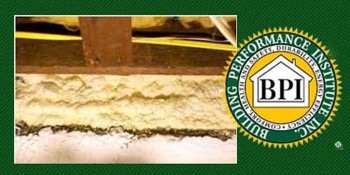
Being certified, whether through Spray Polyurethane Foam Association (SPFA), Polyurea Development Association (PDA), or other third-party industry trade associations, means nothing unless one implements what was learned in the certification courses. Two important areas in the certification process are safety and proper application.
Safety
This area is one subject area that is covered in any certification course related to the application work. One’s own health when working in this field, as well as that of others is first and foremost. Safety issues here are related to material handling, which not only includes the material being spray applied, but any auxiliary chemicals being used. Oh, the work and pictures with “boiling” gun parts, or handling chemicals without proper hand protection gloves, no, it does not simply “wash off” if ISO.
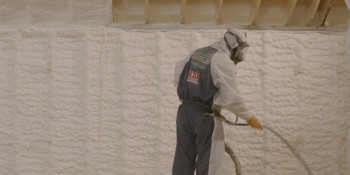
Safety also includes the application equipment. This is under pressure and heat and is always electrically energized. Spraying these materials, which then atomizes the chemical mix, requires the use of proper PPE (personal protective equipment). This includes the use of proper eye protection when around the pressurized equipment, and use of the proper, officially fitted respirator. Buying a face fitting respirator on-line or at a local supply store, then using it without the proper, official fit-testing is really not doing you any good.
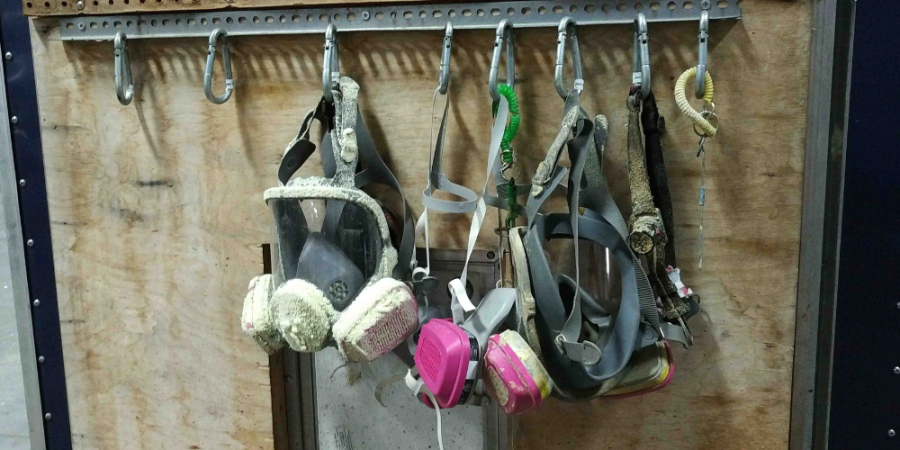
Some large, industrial facilities may in fact require one to show proof of medical fit testing for the face-fitting respirator; otherwise you will not be allowed to perform the work. But it does not stop there, you need to have a written respirator use program. But then you see the pictures, respirator hanging on the wall in the trailer or in the shop.
Safety also relates to the job site conditions where there may be scaffolds / ladders, confined space, hazardous area as well as other trades, or homeowners, in the area of the application work. There is specific requirement for use on these, as well as certification for use of MEWP (mobile elevated working platforms).
A few years ago, I attended an industry spray foam event where one of the main speakers talked to the group about safety related to scaffolds, ladders, and MEWP (manlifts, scissor lifts, etc) and the requirement for personal fall protection devices. In less than two weeks after this event, ones that were in this session posted pictures of their work ignoring the requirements for personal fall protection, joked that it was not convenient, and when comments were made to the post, accusations of being in OSHA violation came forth.
Application
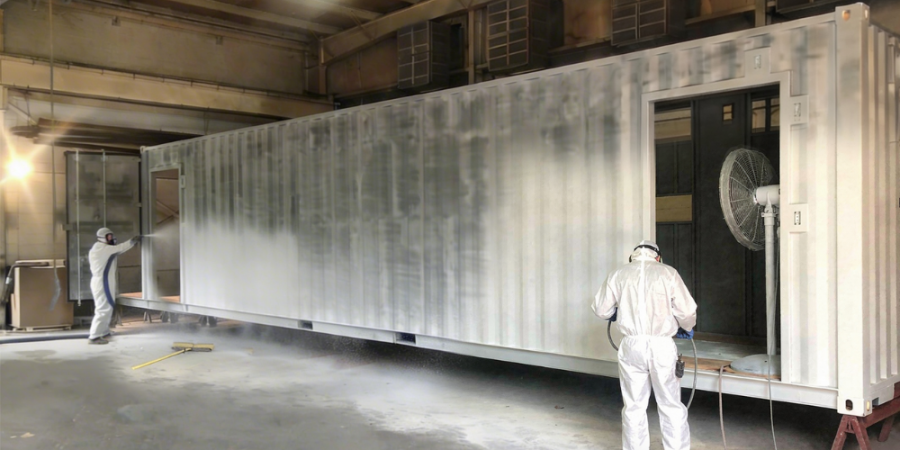
Certification training for the actual application work means not taking any shortcuts or rushing a project. This includes training on the proper use of the application equipment, not modifying that equipment outside standards as well as proper application techniques
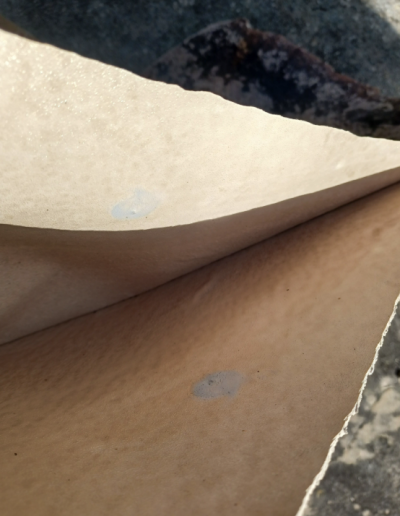
Delamination of the second layer due to exceeding the recoat window and without proper surface preparation.
Proper surface preparation is crucial to successful application work. Proper training, as well as communication with the specific material supplier would address the industry requirements for a successful, professional project.
Certification will also emphasize the importance of reading and understanding the specification and the TDS (Technical Data Sheet) of the materials being used. A couple of key points here are the material’s reactivity (gel and tack free time) as well as the recoat, or overcoat, window of the material being applied. It’s all about being prepared before the project starts. Also, is the material suitable for the specific application?
For example, using a three sec gel system on a large, major project, with a less than four hour recoat window, and one is say “willy-nilly” on spray techniques? The result will be an applied membrane that is full of porosity and possible separation and delamination of layers at tie-ins or second applied layer. Not doing a bedliner application here, where the stipple texture may be a requirement for function, or to blend in for aesthetics. Excess stipple, or overspray is extremely porous and not well bonded. I have seen some TDS with a recoat window less than one hour. Hmm…
When using a slow-gel system on walls or overhead surfaces, applying the material too heavily or too quickly can result in runs or even the formation of "stalactites." Adjustment to a spray technique, or equipment use setup are required to achieve a nice, continuous application.
Conclusion
While this article is a brief overview of some important areas, certification and continued training are extremely important in this industry. Of course, official training and certification can be a cost. But this is commitment to providing professional work and project performance, especially when one implements the process and procedures from that certification training. This is an investment in your work and business. While “on the job training” may be a good start, dealing with much more to it than that, certification training helps validate that. Think about what the cost would be if you have a failure because of no professional training and certification for the type of work, and the hurt to your business. There can be vicious folks out there on social media.
See the Business Behind the Story:
Disqus website name not provided.