

IDI Acquires Foam Stop, Expanding Spray Foam Distribution in Southern Indiana
- By IDI
- Added on Aug 24, 2026
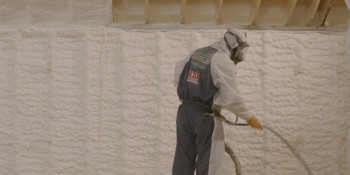
IDI has acquired Foam Stop, a spray foam distributor serving Southern Indiana, and welcomed owner Chris Camenisch to the IDI team. read more
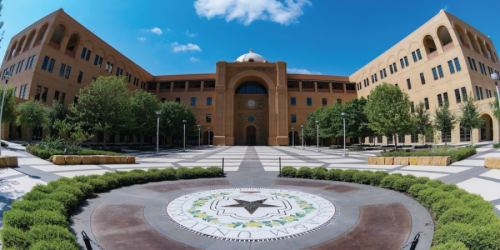
Texas A&M University-San Antonio celebrated the grand opening of its new Track and Field Complex, a $10 million Bexar County-supported project that includes an eight-lane competition track, multipurpose field, and renovated softball field. The facility marks a major step in the University’s athletics expansion, supporting new track and field and cross country programs while providing upgraded spaces for student-athletes and the surrounding community. read more
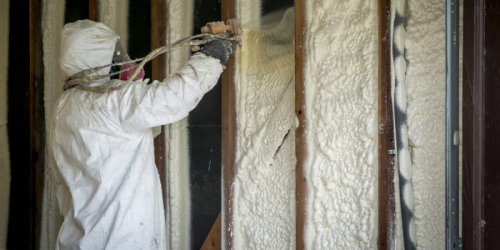
A family legacy of SPF craftsmanship, Allstate Spray Foam’s Rusty Schrader and sons Derek and Dennis have each earned Top Gun wins in the closed-cell applicator category. Their story highlights grit, precision, mentorship, and pride in workmanship as they continue building lasting success in the spray foam industry. read more
MAC Roofing Services brings spray foam roofing expertise to Lake Las Vegas, installing closed-cell foam and protective coatings across Blue Heron’s luxury Shoreline community. The project highlights MAC’s long-standing partnership with Blue Heron, energy-efficient “hot roof” assemblies, and the craftsmanship behind high-end flat roof systems built for the desert climate. read more
Spray Foam Magazine is proud to announce the release of its highly anticipated Summer 2026 Issue, brought to you by Profoam, available in print, digital, and app editions. read more
The article describes R&A Contracting’s award-winning restoration of a massive spray foam roofing system across seven 100-year-old buildings in St. Louis. Over ten weeks, the team scarified aging foam, primed the roofs, and applied 330,000 square feet of 2.8 LB Everest closed-cell spray foam plus HT Everest Acrylic Coatings while battling weather, logistics, truck traffic, and a tight winter deadline. read more
A dome home in Haynesville received a durable SPF roofing upgrade by Spray Foam Worx, replacing failing shingles with closed-cell spray foam and black silicone coating. The project improved wind resistance, energy efficiency, waterproofing, and long-term protection. read more
Harbourside Spray Foam tackled a challenging winter spray foam job at the Royal Canadian Air Force Museum in Comox, BC, using hoarding, heat, and Genyk’s Winter Blend closed-cell foam to insulate a new glass pavilion designed to preserve a historic aircraft year-round. read more
In the U.S., only a select few have earned the title of veteran in the spray foam industry, signifying extensive experience and long-term commitment. Each year, Spray Foam Magazine honors one of these individuals for their dedication, expertise, and leadership. Congratulations to Mark Gordos for being recognized as a true SPF veteran and earning a place in our Hall of Foam. read more
High Country Solutions (HCS) are a team of insulation experts operating out of Alpine, Wyoming, led by co-owners Skeeter Aimone and Brad Morrison. Together with their crew of meticulous spray foam pros, they lent their skilled hands and sharp minds to the construction of Jackson Hole Classical Academy’s (JHCA) new campus. read more
Spray Foam Magazine interviewed an SPF contractor who completed a significant remodel of one of the oldest dorms on a military base. The spray foam team bravely faced 75 inches of snowfall and temperatures plummeting to -40°F, yet they achieved outstanding results. North Pole, Alaska, is situated in the Fairbanks North Star Borough, adjacent to Fort Wainwright, one of the largest army bases in the United States, spanning an impressive 1.6 million acres. read more
Lake Ralph Hall in Ladonia, Texas, stands as a remarkable new man-made lake. To support the dam's construction, the cement batch plant required three frac tanks for a consistent supply of hot and cold water. Maintaining the hot water at a precise 140°F and the cold water at 36°F was non-negotiable for the client, as it directly impacted cement transport and curing times. read more