











Building Code Essentials for Spray Polyurethane Foam Applications
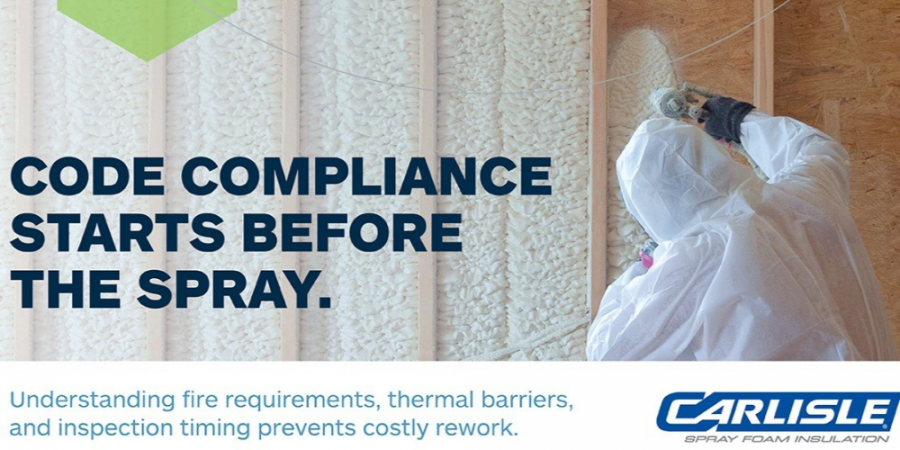
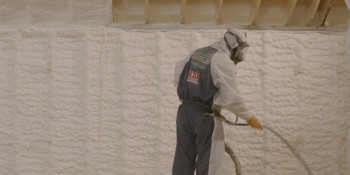
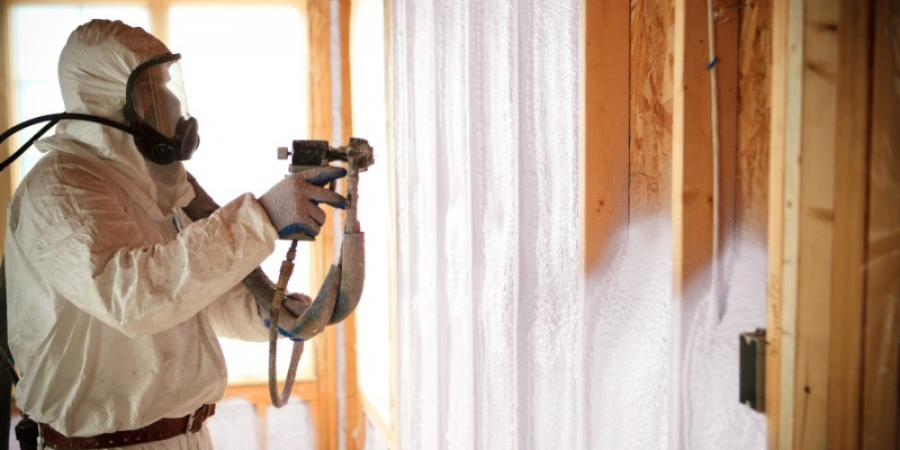
CARTERSVILLE, GEORGIA – June 11, 2026 – Spray polyurethane foam (SPF) plays a critical role in high-performance building envelopes, supporting air sealing, thermal efficiency, and long-term durability. But like any high-performing material, its success doesn’t stop at specification.
It depends on proper alignment with building codes.
For builders, architects, and specifiers, understanding how SPF interacts with fire requirements, thermal barriers, and inspection processes isn’t just about compliance; it’s about avoiding costly rework, project delays, and performance gaps that show up long after installation.
Fire Requirements: Where Performance Meets Protection
One of the most important code considerations for SPF is how it performs in a fire scenario. SPF is an organic material, which means it must be protected in occupied spaces. Building codes require that foam insulation be separated from the interior by an approved thermal barrier—most commonly ½-inch gypsum wallboard. In certain applications—like attics and crawl spaces—an ignition barrier may be permitted instead, depending on access and use.
The nuance here matters.
Misinterpreting where thermal barriers are required versus where ignition barriers are acceptable is one of the most common sources of field issues. And those issues don’t typically surface until inspection, when changes are far more expensive to implement.
Thermal Barriers: Not Just a Checkbox
Thermal barriers are often treated as a simple requirement, but in practice, they are a critical part of the assembly design.
They must:
- Be continuous
- Be properly installed
- Meet code-defined performance criteria
This becomes especially important in complex assemblies—rim joists, rooflines, or mixed-use spaces—where transitions can introduce gaps in protection. For specifiers, this is where detailing matters. For builders, it’s where coordination between trades becomes essential. Because once SPF is installed, retrofitting a missing or improperly applied thermal barrier isn’t just inconvenient, it can disrupt schedules, budgets, and inspections all at once.
Inspection Considerations: Thinking Ahead Saves Time
SPF installations are typically inspected at multiple stages, depending on the project:
- Substrate readiness
- Foam installation quality
- Thickness and coverage
- Fire protection compliance (thermal or ignition barriers)
One of the biggest challenges in the field is timing. If SPF is installed before all substrates are properly prepared—or before other trades complete their work, issues can arise that require partial removal or reapplication.
From a planning standpoint, this reinforces a simple principle:
SPF performs best when it’s integrated into the construction sequence, not treated as a standalone step.
Early coordination between design, installation, and inspection expectations can prevent friction later.
Avoiding Costly Rework: Where Projects Win or Lose
Rework related to SPF rarely stems from the material itself. It typically comes down to one of three issues:
- Misalignment with fire protection requirements
- Incomplete or incorrect barrier installation
- Lack of coordination before or after application
And unlike many other materials, SPF is not easily “adjusted” after installation. Removing and reapplying foam adds labor, material cost, and time and can create downstream impacts on other trades.
That’s why the most successful projects take a proactive approach:
- Clear specification language
- Alignment with code requirements early in design
- Installer and inspector coordination before application
- Defined expectations for thermal and ignition barriers
Where High-Performance Meets Practical Execution
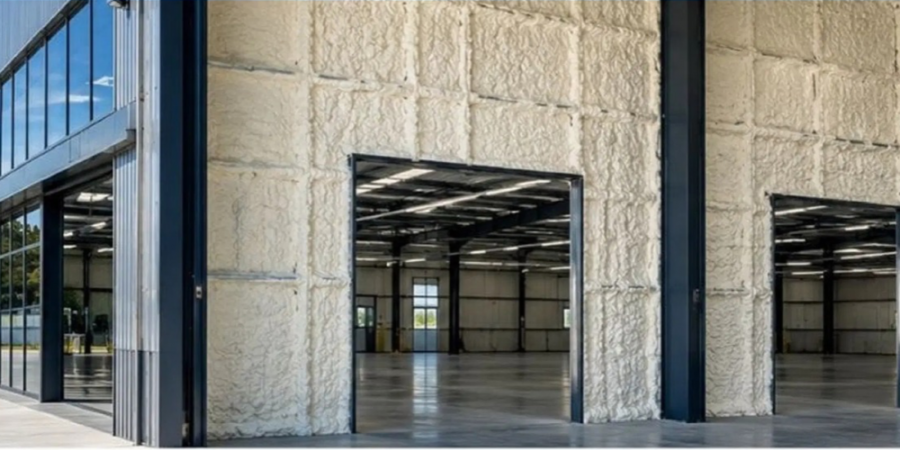
SPF offers significant advantages in both residential and commercial applications, especially when continuity, air sealing, and energy performance are priorities. But achieving those benefits consistently requires more than selecting the right product. It requires understanding how SPF fits within the broader code framework and ensuring that what’s designed is what gets built.
Because in high-performance construction, success isn’t just measured by what’s installed. It’s measured by what passes inspection the first time and performs as intended for years to come.
Published by Spray Foam Magazine
SprayFoam / Spray Foam Insulation
Disqus website name not provided.