













The Inspection Hurdle


Spray Foam Magazine – Late Summer 2026 – Spray polyurethane foam (SPF) insulation delivers strong air sealing, high energy performance, and long-term durability—especially in hard to seal areas where other insulation types leave gaps or settle over time. Contractors see the results in blower-door numbers, comfort complaints that disappear, and fewer callbacks. Many homeowners and builders recognize those benefits too. Yet code officials and home inspectors still raise questions that can slow projects, delay home closings, derail sales, or create overall doubt during the buying process.
For spray foam contractors, these concerns aren’t just technical—they’re business risks. A code official’s question can trigger delays, added documentation requests, or rework. A home inspector’s comment can create buyer hesitation, price negotiations, or demands for additional verification. In most cases, officials and inspectors aren’t “against” SPF; they’re trying to confirm safety and compliance with limited visibility. Knowing what they worry about—and planning for it—helps prevent jobsite conflict and strengthens your credibility with clients.
1 . Hidden Work Creates Suspicion — Even When You Did Everything Right
Once spray foam is installed, everything behind it disappears; wiring, plumbing, fireblocking, structural members, and any corrections made before the spray day. Inspectors know SPF can conceal both good work and bad work. If they didn’t see the cavity before you foamed it, they can’t verify clearances, fire blocking continuity, or how penetrations were handled. In retrofit projects, foam can also cover older conditions that were never in your scope but become harder to evaluate once concealed.
For contractors, this creates two major sales challenges. First, inspectors may delay approval, request destructive access, or fail an installation simply because they didn’t see the prefoam condition. Second, homeowners may interpret that hesitation as a sign that spray foam is risky or “not allowed,” even when the product is listed and the work is fully code compliant. In real estate transactions, a single note in a home inspection report can quickly become a negotiation point or cause a closing delay.
Even when your work is flawless, limited visibility can create doubt. Contractors who take prefoam photos and invite inspectors to walk the site before spraying often get faster approvals and fewer customer concerns. A simple prespray checklist—clearances, fireblocking/draftstopping, fixture locations, chimney or flue separation—helps align expectations and reduce surprises.
2. Application Errors— Even Rare Ones— Shape Inspector Perception
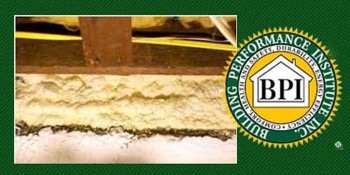
Most contractors apply foam correctly. But inspectors remember the worst jobs they’ve seen: charred foam from overheated lifts, off-ratio material that shrinks or stays soft, strong odor complaints, voids, or inconsistent thickness. Those experiences shape expectations—sometimes regardless of product brand or how long ago it happened. Because SPF functions as both insulation and air barrier, defects can feel more consequential than issues with batts or blown insulation.
As a result, inspectors may scrutinize SPF more closely, asking about thickness, product identification, or required barriers. Customers may ask about curing, odor, indoor air quality, or “bad foam” stories they may have heard. In resale situations, home inspectors may flag foam because it covers framing or roof decking and limits what they can see.
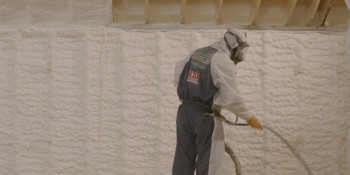
Contractors who explain their process—substrate prep, lift thickness, temperature control, ventilation, and quality checks—can turn skepticism into confidence. Be ready to describe what you monitor and how you verify depth and coverage. When appropriate, starting with a small test area can help an inspector feel comfortable before full production begins.
3. Moisture and Ventilation Issues Become “Your Problem” Even When They Aren’t
SPF dramatically reduces air leakage, which changes how a building manages moisture. That’s a benefit, but it also increases the importance of mechanical ventilation, HVAC sizing, and a clear vapor strategy for the assembly and climate zone. When ventilation or HVAC updates are ignored by the builder or homeowner, inspectors often blame the foam because it’s the most visible change.
This creates a sales challenge: customers may think SPF causes condensation or humidity problems, when the real issue is often system design or unmanaged moisture sources.
Contractors who position themselves as building science partners—not just installers—win more trust. Explain in plain language that tighter homes need intentional fresh air and humidity control. It also helps to set scope boundaries in writing (for example, whether HVAC modifications are included) so foam isn’t automatically blamed for issues outside your control.
4. Ignition and Thermal Barrier Confusion Leads to Failed Inspections
Many inspectors are unsure which coatings and coverings qualify as thermal or ignition barriers, which assemblies require them, and what documentation proves compliance. Requirements vary by location and application—attics, crawlspaces, interior spaces—and some foam systems depend on specific tested coatings, not generic paint. When an inspector isn’t confident, they default to caution, which can mean a failed building inspection, added scope, and schedule delays.
Providing documentation upfront—evaluation reports, coating approvals, and manufacturer instructions—often prevents rework. Before spraying, confirm the intended use of the space and the barrier strategy, then bring the relevant paperwork to the inspection. This reassures customers that you’re proactive and reduces the chance of
late-stage surprises.
5. Missing Documentation Hurts Your Credibility
Missing documentation often hurts your credibility more than the installation itself. Inspectors rely on paperwork to confirm that the product is listed and installed per requirements. When the crew on site can’t provide basic information—product, thickness, barrier plan, ventilation/re-entry guidance—inspectors and customers tend to assume the worst.
Documents that should always be readily available include product data sheets, safety data sheets, installation instructions, installer certification records, installation certificates, ventilation and re-entry guidelines, and photographs of concealed areas. Maintaining these documents helps demonstrate compliance, supports quality assurance, and provides important information should questions arise during inspections, warranty claims, or future building renovations. When this paperwork is missing, inspectors may slow the job even if the foam looks clean and uniform. Customers may read it as a lack of professionalism—especially during resale. A simple digital or printed job binder reduces follow-up calls and helps everyone understand what was installed and what guidance applies.
Contractors who use a repeatable documentation package on every job pass inspections more smoothly and strengthen their sales pitch. Consistent photos, specs, certifications, and ventilation guidance reduce fear, reduce friction, and help protect the project schedule.
Turning Inspector Concerns into Sales Advantages:
Inspectors aren’t anti-foam—they’re anti-surprises. Their role is to verify life safety, energy compliance, and durability, often with limited time and limited visibility. When you anticipate their concerns and bring clear answers early, SPF becomes easier to approve and easier to sell.
Contractors who consistently win with SPF do three things well:
Educate customers before inspectors raise concerns. Explain what will be sprayed, where it will go, how long ventilation will run, and when re-entry is appropriate. Set expectations about common inspector questions so those questions don’t create fear.
Build relationships with local inspectors. A five-minute conversation before a job can prevent a five-day delay afterward. Ask what they want to see on SPF projects and what documents they prefer.
Document everything. Photos, specs, certifications, and ventilation guidelines turn skepticism into trust. Standardize it with a one-page job summary and a photo log of concealed cavities.
Direct any questions about this article to Rick Duncan at rickduncan@envelogic.com
Disqus website name not provided.