












Beyond the Bid


Spray Foam Magazine – Late Summer 2026 – Do you trust me? My guess is that a few people nodded their head yes while the majority of you furrowed your eyebrows a bit and maybe turned your head to the side thinking about that question. If you’re in the majority where trust wasn’t immediate, keep reading!
A lack of trust isn’t people being difficult. It’s how we’re all built or have changed over the last 30 years. We protect ourselves first and open up second. A stranger must earn the yes. Every one of us does this, in every part of life.
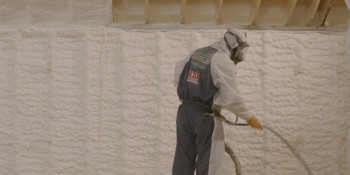
Now put spray foam on top of that reflex of distrust. Our product hides inside a wall the day it goes in. You can’t see if it was done right after the fact. And the stories out there are rough. A CBC Marketplace investigation showed foam jobs gone bad enough to make homes unlivable and found there are no real standards for removing it when it fails. Health agencies warn that the chemicals in foam can cause asthma and lung damage if the job is handled wrong. So, a buyer who is nervous about foam is not paranoid. They are paying attention to what they are hearing.
Here’s the thing every contractor needs to hear. You don’t argue someone out of doubt. You earn past it. And it works the same way every time. Transparency plus empathy plus time equals trust. That is not a foam trick. That is how trust works in any trade. Spray foam just raises the stakes.
Transparency: make the invisible visible
The biggest reason foam gets doubted is simple. Once it’s in, the client can’t see it. So, the whole game is making the invisible visible. And the test for every one of these is the same. Does the client get to see it, just your inspector, or does nobody see the results?
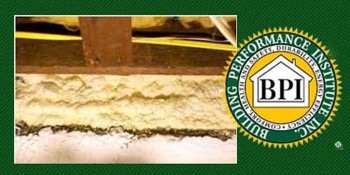
Are you handing your client a daily work record? Substrate temperature. The weather and the humidity that day. The density test results you did before you started and part way through the project. What you saw in the foam. Write it down and give it to them. Not for your file. For their peace of mind. Have you considered taking a core sample after you check adhesion and cohesion and leaving it on site so they can see the quality product you produced? This is not only great for the installer to check the cell structure and color, but you are literally leaving peace of mind at the job site for the client.
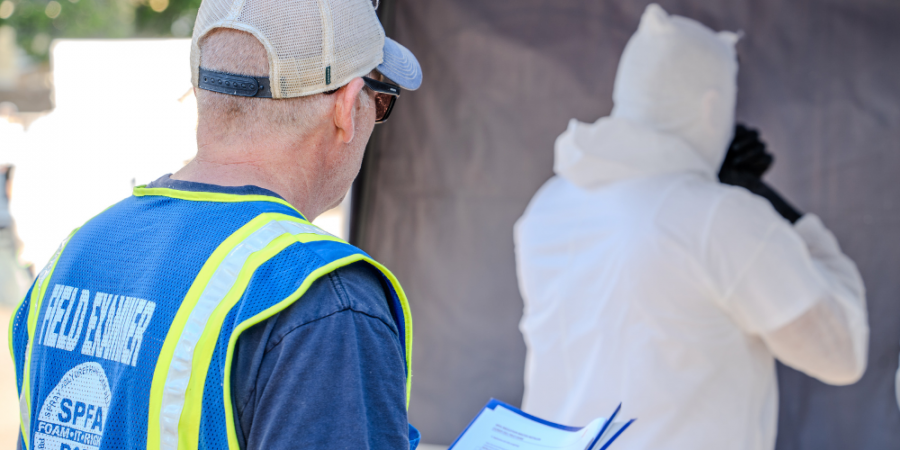
What standards are you living up to, and does the world know it? Here is the part most shops miss. The standards already exist. Our own industry wrote them years ago and organizations like SPFA have it available. There are tested ways to check adhesion, prep a substrate, and hit the right thickness. There is a certification program for installers. The bar is already set. The trust move is not inventing something new. It is following that bar out loud and letting the client watch you do it. Most contractors keep all of this in a binder in the truck. Put it in the client’s hands instead.
This is where being principled stops being a poster on the wall. The only thing standing between a good job and a buried disaster is what your crew does when nobody can check the work later. Transparency is just choosing to let them check.
Empathy: meet the fear, don’t sell past it
You can do all of that and still lose the client if you’re cold about it. Because the person in front of you didn’t read a spec sheet. They read a horror story. They are scared about the biggest thing they own.
So, ask them. What are you worried about? Have you heard something about foam that’s making you nervous? Then actually listen. Slowing down to meet the fear costs you a few minutes. Selling right past it costs you the job. Or worse, you win the job and they never trust you on it.
Meeting someone where they are is just loyalty pointed at the customer. You can’t fake it, and you don’t need to. You just have to care enough to ask.
Time: you can’t buy it or rush it
Here’s the hard one. Trust takes time, and there’s no shortcut to being reliable. One good job proves nothing, because anybody can have one good day. Trust is the callback you answer. The crew that shows up the same every time. The check-in a year later when you didn’t have to.
It’s a lot easier if you have years of being constant, but what if you’re new? What if you don’t have 20 years to point to yet? You borrow time from the things that do have it.
Foam has been installed for decades. The manufacturer behind your product has a long track record and real warranties that outlive your install. Your certification comes from a body that has been training installers for years. Tie yourself to that. Say it plain. I am newer, but I am trained through this program, I install this proven product, and here is the manufacturer warranty in writing.
Then start building your own proof on day one. Keep every daily log. Take the photos. Do the one-year check-in even when nothing is wrong. Put your workmanship in writing. A new contractor can’t fake years. But you can show a client exactly how you plan to still be standing behind this job long after it’s done. That intent, on paper, is its own kind of proof.
The close
My initial question was not the right one and I want to apologize for that. The question should have been, ’Can they trust you?’ I say yes. As long as you continue to strengthen your trust score with them.
Transparency, empathy, and time are not tactics you bolt on to win a sale. They are what’s left when you’re principled and nobody is watching. You don’t out-talk a skeptical client. You outlast their doubt by being the contractor who had nothing to hide the whole way through.
For any questions or more information regarding this article visit www.gotusk.com
Disqus website name not provided.